

Dash Snow : Sex, Drugs and Polaroids

Dash Snow was one of those artists whose work is impossible to separate from his own life. Born in New York in 1981 and passing away in the same city in 2009, at just 27 years old, he left behind a relatively brief but highly influential body of work, particularly through his Polaroids, which today occupy an important place in the recent history of photography and Photobooks.
Coming from a family closely connected to the art world and collecting, Snow nevertheless distanced himself from that environment at a very young age and found his place within New York’s underground culture. During the 1990s, he became associated with IRAK, one of the most important graffiti collectives of his generation, and gradually developed an increasingly intense relationship with photography.
Snow photographed everything around him: friends, parties, apartments, endless nights, bodies, sex, drugs, streets, animals, travels and seemingly insignificant moments. His Polaroids function as a visual diary created from within. He was not photographing a scene that was foreign to him, but the world in which he was living.
The camera became a way for him to preserve his memories. After nights of excess, when events could become blurred or disappear from memory, the photographs remained as small physical traces of what had happened. This relationship between personal experience and photography inevitably brings him closer to artists such as Larry Clark and Nan Goldin, although Snow developed a sensibility of his own, much more spontaneous and deeply connected to New York’s underground scene in the early 2000s.
His photographs have a deliberately imperfect quality. Cropped compositions, bodies partially disappearing from the frame, untidy rooms, harsh light, blurred images and situations captured within seconds. Snow did not seem interested in creating technically perfect photographs. What mattered was being there and preserving the moment.
It is precisely this lack of distance that became one of the great strengths of his work. His images do not feel as though they were made by a professional photographer who came to document a subculture, but by someone who was part of it. Photography became an extension of the experience and, at the same time, a form of memory.
Although the Polaroids are the best-known part of his production, Snow never limited himself to photography. He also worked with collage, sculpture, installations, video, Super8, found objects and different forms of assemblage. His work was driven by a constant desire to erase the boundary between art and life, combining everyday materials, rubbish, newspapers, images, elements connected to the body and objects taken from his own surroundings.
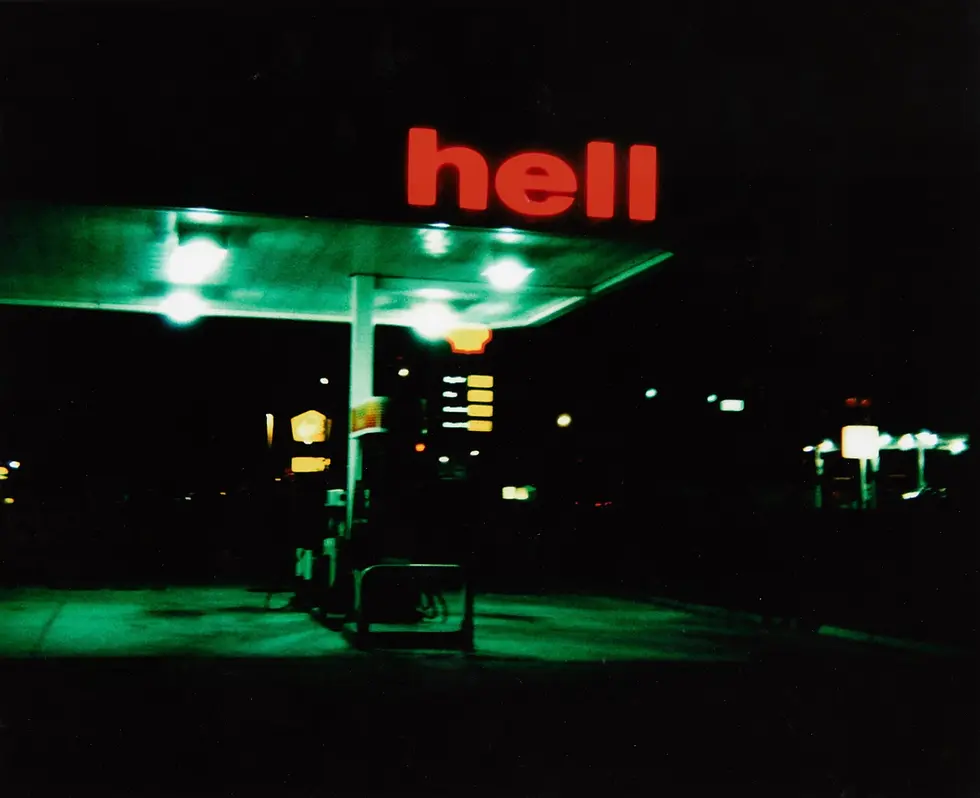
One of his best-known works is Nest, created with Dan Colen in 2007. For this installation, they transformed a gallery into a kind of enormous nest made from shredded telephone directories and other materials. The work is a good summary of Snow’s approach: taking ordinary elements and transforming them into something that exists somewhere between sculpture, the visceral and poetry.
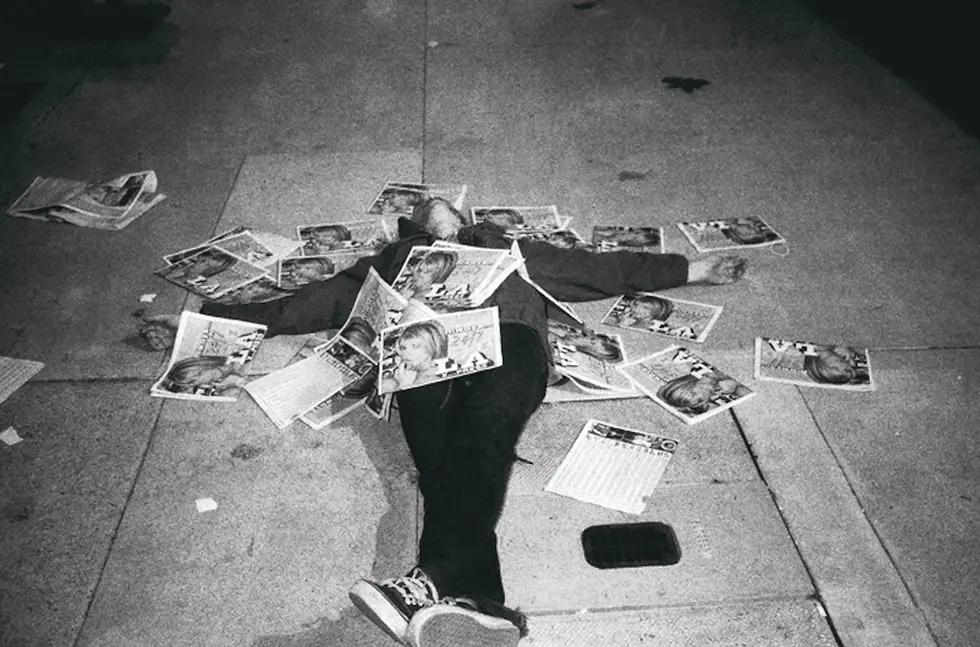
His rise within the art world was extraordinarily rapid. In 2006, at just 24 years old, he participated in the Whitney Biennial, while his circle included artists such as Dan Colen, Ryan McGinley, Agathe Snow, Nate Lowman and Hanna Liden. He belonged to a generation that was reshaping the artistic scene of the Lower East Side and the Bowery by bringing together contemporary art, graffiti, music, skateboarding, parties and underground culture.
However, reducing Dash Snow to the image of a rebellious young artist would miss the essence of his work. Behind all that energy was a constant concern with youth, friendship, desire, memory and the passage of time. His photographs contain something of a celebration and something of a farewell. Even when they depict parties, sex or chaotic situations, there is a persistent feeling that the moment is destined to disappear.
During his final years, he began experimenting with Super8 and with quieter, more contemplative images. Some of these works reveal a very different, much more intimate side of his practice and allow us to imagine how his work might have evolved had he been given more time to develop it.
When it comes to his Photobooks, Dash Snow: Polaroids, published by Peres Projects in 2009, is probably the essential book. It brings together hundreds of his Polaroids and preserves much of the physical and direct quality of the original photographs. It is the publication that best represents this part of his work and has probably become the most significant one among collectors.
I Love You, Stupid! offers a much broader view of his photographic archive and is particularly valuable for understanding the scope of his vision. The End of Living, the Beginning of Survival focuses more closely on his artistic and conceptual production, while God Spoiled a Perfect Asshole When He Put Teeth in Yer Mouth brings together different aspects of his experimental work. Selected Works from 2001 to 2009 is also particularly important because it allows Snow to be approached not only as a photographer, but as a multidisciplinary artist.


For collectors, Snow is particularly interesting because his publishing output remains relatively limited and some of his books have become highly sought-after objects. Polaroids is the essential piece for understanding his photography, while I Love You, Stupid! is probably the best entry point into his archive.
His importance is also connected to the historical period in which he worked. Snow photographed a generation that still lived in a largely analogue world, just before mobile phones and social media completely transformed our relationship with photography, intimacy and the documentation of everyday life.
In this sense, his Polaroids can now be seen as the physical archive of an era that was about to disappear. Each photograph was a unique object. There was no possibility of taking hundreds of images and deciding later which ones to keep. The photograph appeared physically in front of the photographer and became part of his archive.
Snow died on July 13, 2009, in Manhattan, from a heroin overdose, just days before his 28th birthday. His death inevitably contributed to the creation of a powerful mythology around his figure, but reducing his artistic importance to this circumstance would be unfair.
What remains is a body of work that succeeded in transforming a private life, an artistic scene and a specific moment in New York’s history into something much more universal. His best photographs do not feel as though they were made from a distance or conceived as historical documents. Instead, they resemble fragments pulled directly from an experience.
Perhaps this is the best way to understand Dash Snow: not as someone who photographed a life, but as someone who used photography to prevent that life from disappearing. His images are small pieces of evidence that something happened, physical memories of people, places and nights that no longer exist. And it is precisely this combination of intimacy, rawness, spontaneity and poetry that continues to give his work such power within contemporary photography and Independent photobooks.



Comments